The Complete Guide to Online Quran Classes for Kids 2026
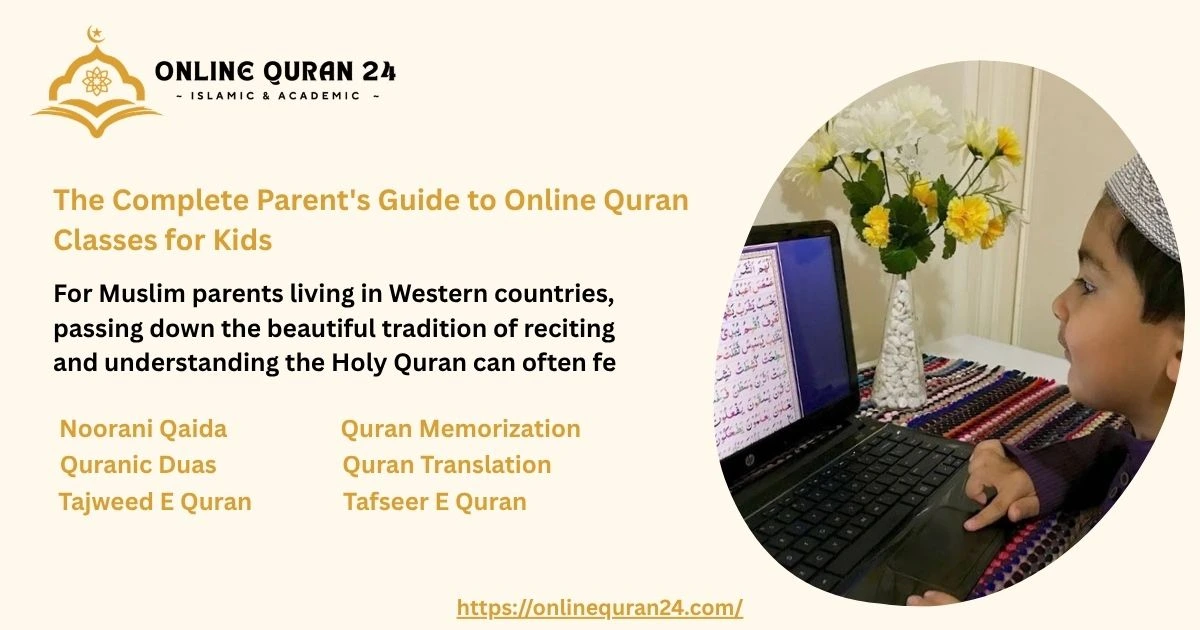
The Complete Parent’s Guide to Online Quran Classes for Kids For Muslim parents living in Western countries, passing down the beautiful tradition of reciting and
Read More »


Supplication is the essence of worship in Islam. For centuries, Muslims around the world have turned to profound, beautifully structured prayers to seek comfort, forgiveness, and closeness to Allah. Among the most cherished of these supplications is the dua e ganjul arsh.
Known for its majestic phrasing and deep theological roots, this specific prayer is recited by countless families during times of hardship, gratitude, and daily reflection. However, finding a clear explanation of its meaning, along with an accurate dua e ganjul arsh pdf, can sometimes be a challenge for families living in Western countries who want to ensure they are reading and understanding the text correctly.
This comprehensive guide will explore the profound meaning behind the supplication, outline the spiritual benefits of making it a regular practice, and provide you with a way to easily access a dua ganjul arsh pdf free download. Whether you are looking to deepen your own spiritual practice or seeking resources to help teach your children authentic Islamic values, understanding the depth of this beautiful prayer is a wonderful place to start.
Translated directly, “Ganj ul Arsh” means “The Treasure of the Throne.” In Islamic theology, the Arsh (Throne) represents the immense majesty, power, and limitless authority of Allah. Therefore, to call upon the “Treasure of the Throne” is to invoke the most magnificent and beautiful names of Allah, seeking His ultimate mercy and protection.
The dua ganjul arsh is essentially a compilation of pure praise. Unlike some supplications that focus entirely on asking for specific worldly needs, this dua focuses heavily on declaring the oneness of Allah (Tawheed), recognizing His ultimate power, and honoring the lineage of the Prophets.
To truly appreciate this supplication, we must look at how it is structured. The prayer is systematically arranged to acknowledge Allah’s attributes by associating them with the great Prophets of Islam.
When you read the Full Dua Ganjul Arsh in Arabic, you will notice a recurring pattern. The reciter calls upon Allah by invoking the special relationship He had with His chosen messengers. For example, the dua references:
The conversation between Allah and Prophet Musa (Moses).
The miraculous birth and ascension of Prophet Isa (Jesus).
The unwavering faith of Prophet Ibrahim (Abraham), the friend of Allah.
The patience and submission of Prophet Ismail (Ishmael).
The beautiful patience of Prophet Yaqub (Jacob).
The ultimate finality and perfection of the message brought by Prophet Muhammad (Peace Be Upon Him).
This structure serves a specific psychological and spiritual purpose. By reminding ourselves of the trials faced by the greatest human beings to ever walk the earth—and how Allah delivered them from those trials—we build our own internal resilience. We realize that the same Creator who parted the sea for Musa and protected Ibrahim from the fire is the One listening to our prayers today.
When exploring the Historical Significance of Dua e Ganjul Arsh, it is helpful to understand its place within Islamic tradition. While it is not categorized among the primary Prophetic traditions (Ahadith) found in the Sihah Sitta (the six authentic books of Hadith) as a specific daily Sunnah, it holds a deeply respected place in Islamic heritage.
The text is a compilation of Quranic truths, authentic names of Allah (Asma ul Husna), and historically established facts about the Prophets. Over centuries, Islamic scholars and spiritual teachers compiled these praises into a single, flowing supplication. It became widely accepted across the Muslim world—particularly in South Asia and the Middle East—as a deeply moving way to praise the Almighty.
Historically, families would write the دعا گنج العرش (Dua Ganjul Arsh in Arabic) on parchment or memorize it to recite during times of extreme difficulty, illness, or when seeking barakah (blessing) in their homes. Today, it remains a beloved practice, serving as a powerful reminder of the vastness of Allah’s mercy.
For non-native Arabic speakers, reciting the prayer without understanding the translation limits the spiritual impact of the words. Reading the Dua e Ganjul Arsh meaning allows the heart to connect with what the tongue is saying.
For families living in the US, UK, Australia, and Canada, having access to dua e ganjul arsh in english—both the transliteration and the direct translation—is vital.
While the full prayer is quite lengthy, the essence of the English translation revolves around declarations of faith: “There is no deity worthy of worship except Allah, the Forbearing, the Most Generous. There is no deity worthy of worship except Allah, the High, the Almighty. Glory be to Allah, the Lord of the Seven Heavens and the Lord of the Magnificent Throne.”
It continues to invoke blessings by acknowledging the unique miracles granted to the Prophets, reinforcing that Allah alone holds the power over life, death, provision, and protection.
For many families of South Asian descent, understanding the nuances of the prayer is easier through Urdu. Accessing a Dua Ganjul Arsh with URDU translation | PDF allows older generations to connect with the prayer while simultaneously helping younger, English-speaking children understand the context. A properly formatted PDF ensures that the Arabic text is clear, the Tajweed rules can be followed, and the translations are aligned side-by-side for easy reading on smartphones, tablets, or printed out for the home.
The Benefits of Reciting Dua e Ganjul Arsh are vast, touching upon both the spiritual and emotional well-being of the believer. While the primary goal of any dua should be to seek the pleasure of Allah, regular recitation brings immense peace to the heart.

Because the entire dua is rooted in praising Allah and declaring His absolute oneness, reciting it strengthens a believer’s core faith. It acts as a shield against doubts and anxieties, reminding the reciter that nothing happens without the permission of the Lord of the Throne.
The Quran promises in Surah Ash-Sharh, “fa inna ma al usri yusra“ (Indeed, with hardship comes ease). The Dua Ganjul Arsh is a practical application of this promise. By reciting how Allah rescued the Prophets from their seemingly impossible hardships, the believer internalizes the truth that their current difficulties are temporary. The dua fosters deep hope and emotional relief during times of financial stress, illness, or family turmoil.
Invoking the magnificent names of Allah serves as a spiritual fortress. Many scholars note that beginning the day by praising the Lord of the Magnificent Throne brings barakah (blessings) into one’s time, work, and household, guarding the family against unseen harms and negative influences.
It is easy to focus only on what we lack when we pray. Because this specific dua is heavily focused on praise rather than petition, it trains the mind to be grateful. Gratitude, in turn, invites further blessings from Allah.
To gain the maximum spiritual benefit, supplications should be made with proper etiquette (Adab). Here is a guide on How to Properly Recite Dua e Ganjul Arsh at home.
While you can recite duas from memory at any time, if you are reading from a physical script or touching the Arabic text, it is highly recommended to be in a state of Wudu (ablution). Cleanliness prepares the mind and body for a private conversation with the Creator.
Whenever possible, sit respectfully facing the Qibla (the direction of the Kaaba). This physical alignment mirrors the spiritual focus required for sincere prayer.
Always begin any recitation with Tauz—saying “A’udhu billahi minash shaitanir rajim” (I seek refuge in Allah from the rejected Satan). This protects your mind from distractions. Follow this immediately with “Bismillahir Rahmanir Rahim“ (In the name of Allah, the Most Gracious, the Most Merciful).
Pace yourself. Do not rush through the words. If you are reading the dua e ganjul arsh pdf, take the time to read the English or Urdu translation after the Arabic line. Understanding what you are saying carries far more weight than finishing the recitation quickly.
In Islam, actions are judged by intentions. The Role of Intention in Dua e Ganjul Arsh cannot be overstated. Before you begin, take a moment to formulate your intention (Niyyah) in your heart. Are you reciting this to seek forgiveness? Are you reciting it to ask for ease in a difficult situation? Or are you simply reciting it out of love and awe for Allah?
A clear, sincere intention elevates the recitation from a mere movement of the tongue to a profound spiritual experience that reaches the heavens.
Across generations, the recitation of this dua has brought immense comfort to households. Personal Testimonials: Transformative Experiences with Dua e Ganjul Arsh frequently highlight the psychological peace that accompanies the prayer.
Many parents report that playing the recitation of the dua in their homes, or reading it aloud after the Fajr (dawn) prayer, sets a calm, positive tone for the day. Families navigating difficult medical diagnoses or prolonged financial uncertainties often share how the rhythmic praising of Allah helped alleviate their anxiety. By focusing on the greatness of the “Lord of the Throne,” their personal problems suddenly felt manageable, placing their absolute trust (Tawakkul) in the hands of the Almighty.
While individual experiences vary, the common thread is always a profound sense of relief and an unshakable connection to the Divine.
Having a reliable, beautifully formatted version of the prayer is essential for daily practice. We understand that finding accurate texts online can sometimes lead to poorly formatted images or incomplete translations.
That is why you can easily access a dua ganjul arsh pdf free download to keep on your devices or print for your home. A high-quality dua e ganjul arsh pdf typically includes:
Clear, readable Arabic script with proper vowel marks (Tashkeel).
Accurate English transliteration for those who are still learning to read Arabic.
A side-by-side English and Urdu translation to help you reflect on the profound meanings.
Keeping a printed copy in your prayer area or saving the PDF on your smartphone ensures that you can turn to this beautiful supplication whenever you feel the need to connect with Allah.
For Muslim parents living in Western countries, raising children who are deeply connected to their faith is a top priority. Introducing them to powerful supplications is a beautiful way to build their Islamic identity. However, children cannot connect with what they cannot read or understand.
This is where structured, high-quality online Islamic education becomes invaluable.
Before a child can comfortably recite a lengthy prayer, they need a strong foundation in Arabic reading. Through comprehensive tajweed e quran classes, children learn the correct pronunciation of Arabic letters. This ensures that when they grow up and read prayers praising the Throne of Allah, they are pronouncing the majestic names of God flawlessly, avoiding mistakes that could alter the meaning of the words.
At Online Quran 24, we specialize in providing tailored, one-to-one online lessons for children and teenagers aged 4 to 15. We understand the unique challenges faced by Muslim families in the US, UK, Canada, Australia, and the Gulf.
Our qualified tutors do not just teach rote reading; they offer holistic islamic studies and quran translation so that students understand the why behind their faith. Whether your goal is quran memorization or simply helping your teenager understand daily quranic duas, our flexible scheduling allows your family to integrate high-quality Islamic education into a busy modern lifestyle. By learning in a warm, encouraging online environment, your children will build a lifelong love for the Quran and the beautiful supplications of the Prophet ﷺ.
The dua e ganjul arsh is much more than a collection of words on a page. It is a profound declaration of faith, a historical testament to the power of the Prophets, and a direct line of communication to the Lord of the Magnificent Throne. By understanding its meaning, reciting it with intention, and keeping a reliable PDF handy, you can bring the immense blessings of this prayer into your daily life.
Instilling this love for supplication in the next generation is one of the greatest gifts a parent can give. If you are looking for a reliable, professional, and engaging way for your children to learn to read the Quran with proper Tajweed, understand its translation, and study daily Quranic duas, Online Quran 24 is here to support you.
Our expert tutors are dedicated to making Islamic education accessible, flexible, and inspiring for families worldwide. Take the first step toward enriching your child’s spiritual foundation today and watch them develop a lifelong, beautiful relationship with the words of Allah.
Reciting this dua brings immense spiritual peace, strengthens a believer’s reliance on Allah, and serves as a powerful reminder of Tawheed (the oneness of God). It helps alleviate anxiety by reminding the reciter that the Creator who protected the Prophets from immense hardships is fully capable of resolving our modern daily struggles. It is widely recited for blessings, protection, and seeking comfort during difficult times.
It is a comprehensive Islamic supplication that translates to the “Treasure of the Throne.” It is composed of praises to Allah, acknowledging His magnificent attributes, His absolute authority over the universe, and invoking His mercy by recalling His relationship with the great Prophets of Islam, such as Ibrahim, Musa, Isa, and Muhammad (Peace Be Upon Them All).
“The dua of the Throne” is simply the English translation of the title “Dua e Ganjul Arsh.” In Islamic theology, the Throne (Al-Arsh) is the greatest of all creations, representing the infinite power and majesty of Allah. To make the dua of the Throne is to call upon Allah by His highest and most majestic attributes.
Yes. While the full Arabic text is lengthy, beginners can easily learn it by using a high-quality PDF that features English transliteration. Additionally, listening to audio recitations and taking foundational Tajweed classes can help both adults and children master the pronunciation over time.