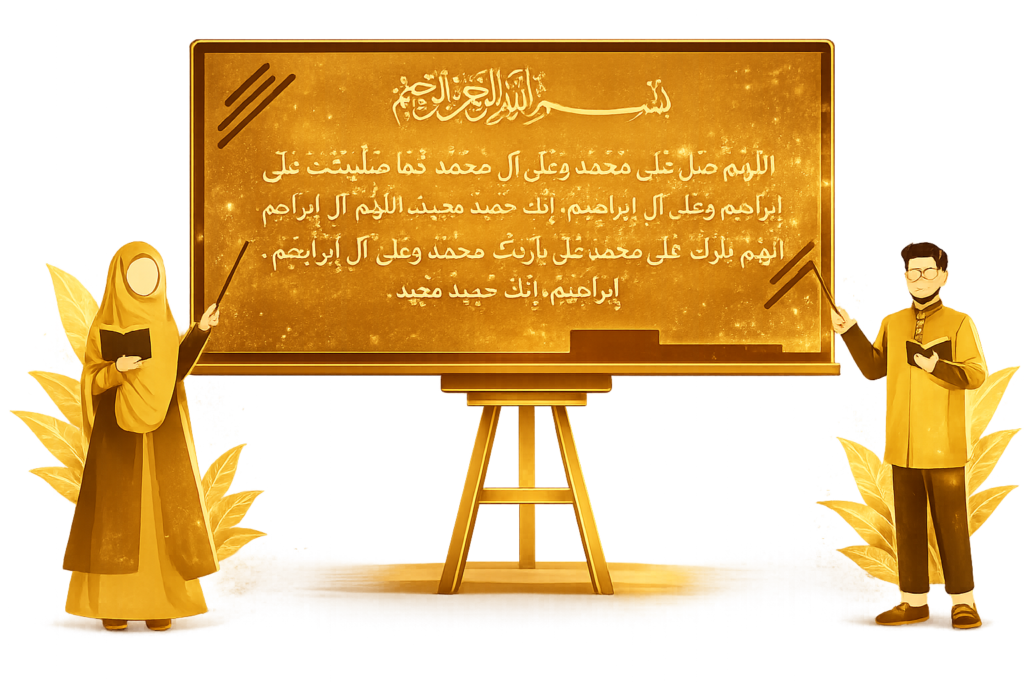
Islamic Studies

Designing a Rigorous Islamic Studies Course: The Definitive Pedagogy Guide

Modern digital landscapes present a unique paradox for religious education. While access to raw information has multiplied exponentially, structured comprehension has noticeably declined. As a senior content strategist and curriculum developer, I observe thousands of students attempting to piece together their spiritual education through isolated video clips and unverified text snippets. This fragmented approach frequently breeds confusion, cognitive dissonance, and structural gaps in foundational knowledge.

To build a resilient spiritual identity, a student requires a methodical, time-tested educational framework. This comprehensive guide details the structural architecture necessary for an impactful Islamic studies course. Whether you design curricula for institutional academies or seek a personal learning track at online quran 24, this strategic blueprint clarifies the path ahead.

What is Islamic Studies?

Before analyzing course architectures, we must establish a clear definition of the discipline. What is Islamic Studies? In an academic and traditional framework, it is the systematic, critical investigation of divine revelation (Wahy) and its historical, legal, philosophical, and social developments. It is not an unstructured collection of moral aphorisms. Instead, it is a complex matrix of interconnected sciences developed over fourteen centuries.

When individuals decide to learn islamic studies, they are entering a deep academic legacy. This field separates knowledge into two distinct pedagogical categories:

  • Fard ‘Ayn (Individual Obligation): The foundational knowledge every practicing Muslim requires to execute daily worship, maintain ethical financial transactions, and hold sound theological beliefs.

  • Fard Kifayah (Communal Obligation): Advanced specializations, such as deep legal theory (Usul al-Fiqh), comparative jurisprudence, and complex textual criticism, which a segment of the community must preserve.

A well-constructed Islamic studies program must clearly differentiate between these two levels. Forcing advanced comparative legal debates onto a beginner leads directly to intellectual paralysis. Conversely, keeping advanced students trapped in basic surface-level discussions halts their intellectual and spiritual growth

Core Pillars of a Structural Curriculum

An effective educational track relies on a logical, sequential progression of subjects. A curriculum should prioritize three fundamental pillars to give students a comprehensive understanding of the text.

1. Sound Theology (Aqeedah)

Theology forms the operational foundation of the entire worldview. Without a clear comprehension of the attributes of the Divine, the nature of revelation, and the criteria of orthodoxy, later studies in law or history lack internal coherence. A structural course begins with classical texts, such as the creedal summary of Imam al-Tahawi, avoiding modern political polemics until the student sets a firm baseline.

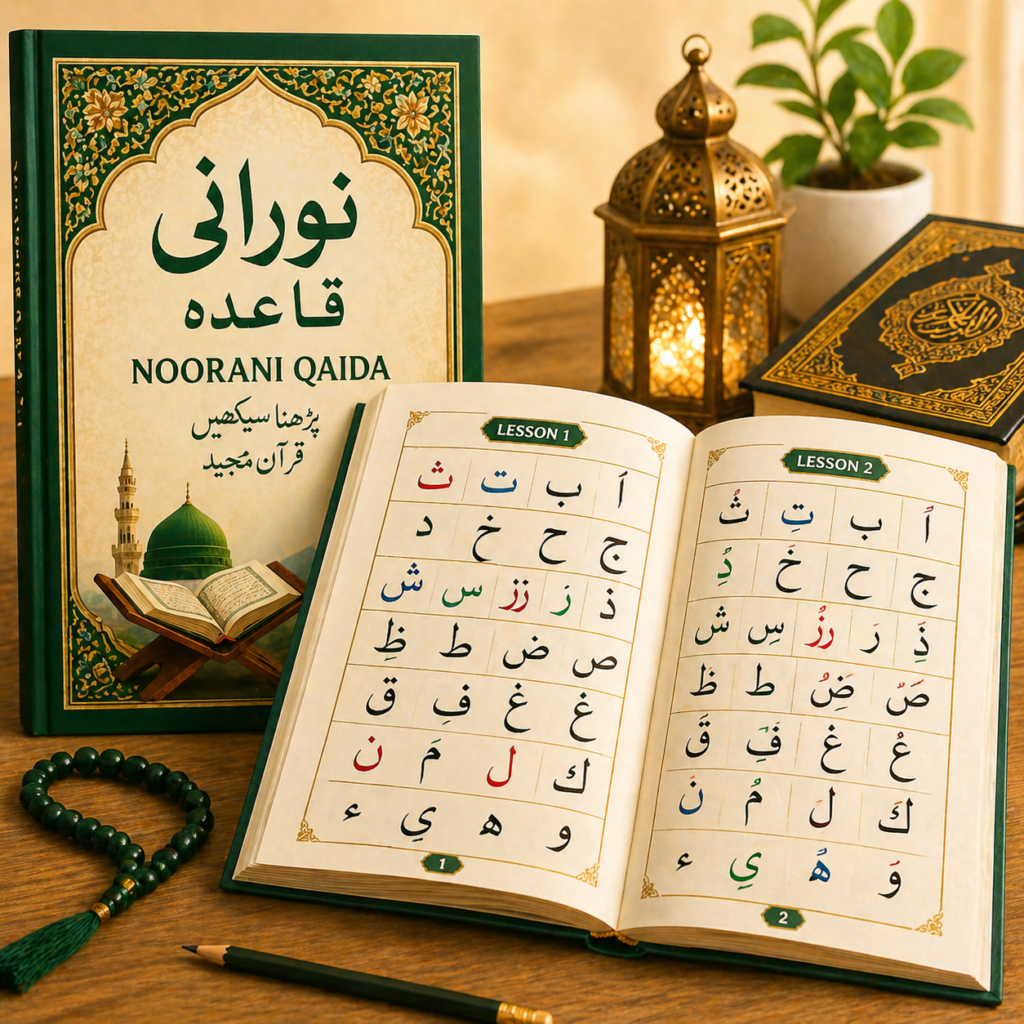
Islamic Studies ChatGPT Image Apr 26 2026 03 18 34 PM

2. Applied Jurisprudence (Fiqh)

Jurisprudence provides the practical, day-to-day manual for living. Students learn how to transform abstract theological concepts into valid physical practices. The syllabus must guide the learner systematically through the rules of purification (Taharah), daily prayers (Salah), fasting (Sawm), and basic contract law (Muamalat). I strongly recommend focusing on a single legal school (Madhhab) during the initial stages to prevent confusion over minor procedural differences.

3. Prophetic Biography and History (Seerah)

History provides the essential human context for divine revelation. By studying the chronological progression of the prophetic mission, students observe the practical implementation of legal and ethical principles in a living society. This contextual grounding prevents modern readers from misinterpreting text fragments by isolating them from their historical settings.

The Linguistic Imperative: Integrating Sacred Literacy

One cannot achieve comprehensive religious literacy solely through translated materials. Translations serve as helpful introductory aids, but they inevitably strip classical terms of their profound semantic layers. A serious Islamic studies framework must integrate direct linguistic training.

Online Language Acquisition

To address this reality, a premier curriculum must incorporate a structured Arabic language course online. This component should run parallel to theological studies. Rather than focusing exclusively on modern conversational vocabulary, the linguistic track must prioritize classical Quranic grammar (Nahw) and morphology (Sarf). This direct exposure empowers students to engage with core source texts without an intermediary.

As the historical manuscript above illustrates, classical scholarship treated the visual layout and linguistic structure of the text as an unalterable sacred trust. To interact with this legacy, students must learn the foundational mechanics of the tongue in which it was recorded.

Precision in Recitation and Tajweed

Simultaneously, a complete curriculum must emphasize the oral preservation of the text through rigorous Quran recitation. The Quran is fundamentally an oral scripture; its meanings are explicitly tied to its phonetic delivery.

Consequently, students require a systematic tajweed e quran course to refine their speech mechanics. Tajweed is the science governing the exact pronunciation of Arabic letters from their specific points of articulation (Makharij), ensuring that vocal modifications do not distort the intended scriptural meanings.

As detailed in the scientific diagram of articulation points, specific letters require precise activation of different regions of the throat, tongue, and lips. For example:

  • The throat letters (Al-Halq), such as Ghayn and Kha, require deep guttural control.

  • The tongue letters (Al-Lisan), such as Qaf and Kaf, require exact pressure against the upper palate.

Without structured, live corrective feedback from an expert instructor, a student cannot accurately identify their own errors in phonetic production.

The Importance of a Qualified Teacher

The modern abundance of automated learning applications and self-directed video channels creates a false impression that anyone can master classical sciences independently. However, both historical precedent and modern cognitive science confirm The Importance of a Qualified Teacher.

In the Islamic educational tradition, knowledge is not merely data transfer. It is a living, mentored relationship characterized by the concept of Isnad (a continuous chain of transmission tracing back to the author of the text). A textbook or an AI model can provide information, but it cannot provide the following essential elements:

  1. Contextual Synthesis: A qualified scholar explains the Asbab al-Nuzul (reasons for revelation), preventing students from applying specific historical rulings to general modern scenarios inappropriately.

  2. Behavioral Correction: Teachers observe the student’s analytical approach, correcting subtle biases, intellectual arrogance, or flawed logic before they turn into permanent cognitive habits.

  3. Nuanced Gradation: An expert instructor assesses a student’s current intellectual capacity and introduces more complex texts only when the baseline material is thoroughly understood.

At online quran 24, we deliberately restrict our class structures to favor live, interactive mentorship over pre-recorded, asynchronous content. This structural choice ensures that every student undergoes continuous oral evaluation and real-time conceptual testing.

Historical Models vs. Modern Digital Architectures

To understand why we design online courses in a specific sequence, we must analyze the structural history of Islamic higher education. Traditional institutions did not present random reading lists; they structured knowledge across clear operational tiers.

The table below outlines the foundational models that set the standards for modern digital curriculum adaptation:

Educational InstitutionGeographic LocationHistorical Era / Foundation DatePrimary Pedagogical ContributionModern Curricular Equivalence
Suffah (Prophet’s Mosque)Medina, Hejaz622 CEOral transmission, cohort accountability, contextual applicationCore cohort-based live online study groups
University of al-QarawiyyinFez, Morocco859 CEFormalization of legal schools, advanced text-critical analysisSpecialized advanced jurisprudence tracks
Al-Azhar UniversityCairo, Egypt970 CEStandardization of multi-disciplinary textbooks, tiered graduationMulti-year structured academic degree paths
Nizamiyya MadrasasBaghdad, Iraq1065 CEState-sponsored systematic curriculum, introduction of logic

Evaluating the Digital Shift: Strategic Advantages and Practical Limits

Shifting traditional curricula to the digital space offers clear benefits, but it also introduces real operational challenges. A responsible content strategist must look at both sides of this transition with complete transparency.

The Real Benefits of Islamic Studies Online

Analyzing the benefits of islamic studies online reveals critical advantages for the modern householder or professional:

  • Global Scholarly Access: Students living in geographic isolation can study directly with top-tier scholars from historical centers without massive relocation costs.

  • Customized Learning Pacing: Digital portals allow parents to arrange their family’s schedule flexibly, ensuring that spiritual study integrates smoothly into demanding work routines.

  • Granular Progress Tracking: Modern dashboards record oral assignments, track vocabulary retention, and preserve lecture notes in organized, cloud-based environments.

The Inherent Limitations

Despite these benefits, online options are not universally ideal. Digital platforms require intense self-discipline. Without a physical classroom environment, passive learners often suffer from screen fatigue and low completion rates.

Furthermore, online education cannot easily replace the deep communal solidarity found in physical campus settings. For this reason, our programs are best suited for structured, self-motivated individuals rather than those seeking an informal, low-effort hobby.

Practical Action Items for Digital Students

To convert intellectual theory into practical spiritual progress, a student must implement strict study habits. Simply logging into a portal twice a week is insufficient for deep comprehension.

  • Establish a Dedicated Ritual space: Do not stream your lectures from your bed or couch. Sit at a clean desk with your camera enabled to cultivate psychological focus and showing respect (Adab) for the sacred knowledge.

  • Utilize a Analog Writing Journal: The physical act of writing down classical definitions using a pen engages different neurological pathways than typing on a laptop. Maintain a physical notebook for terms like Ijmā‘ (consensus) or Qiyās (analogical reasoning).

  • Integrate Sacred Invocations: As you study the academic parameters of theology, bring those concepts alive by memorizing verified Quranic Duas. Reciting these specific supplications during your daily prayers transforms abstract learning into active internal devotion.

  • Schedule Weekly Cumulative Reviews: Every Sunday, spend fifteen minutes reviewing the previous three weeks of notes. Continuous cumulative review prevents the mental decay of terminology and maintains a cohesive big-picture view of the course.

Final Thoughts: Navigating Your Educational Path

Evaluating an Islamic studies course requires looking past slick marketing or cheap pricing models. You must examine the structural sequence of the curriculum, the direct inclusion of linguistic training, and the verifiable credentials of the teaching staff. True knowledge requires patience, structured discipline, and direct guidance from a living teacher.

By committing to a sequential educational path that unites proper recitation techniques, language mastery, and direct textual access, you guard your mind against modern ideological confusion. If you are ready to move past superficial internet clips and embrace a deep, systematic relationship with classical learning, explore the live cohort tracks designed by our expert faculty at online quran 24.

FAQs

What is Islamic Studies as an academic discipline?

It is the structured study of foundational texts, orthodox theology, applied jurisprudence, prophetic history, and spiritual ethics, rather than a disorganized collection of casual readings.

Why can I not learn these topics entirely through translation?

Translations drop the deep linguistic nuances and multi-layered legal meanings embedded in classical Arabic terms, which can lead to misinterpreting complex legal texts.

How does online learning compare to traditional seminaries?

Online portals offer unmatched geographic flexibility and scheduling options. However, they demand higher self-discipline and lack the intensive, physical community of a classical campus.

Learn Quran Online with Expert Tutors

Online Academic Learning Hub

Islamic Studies support for more information